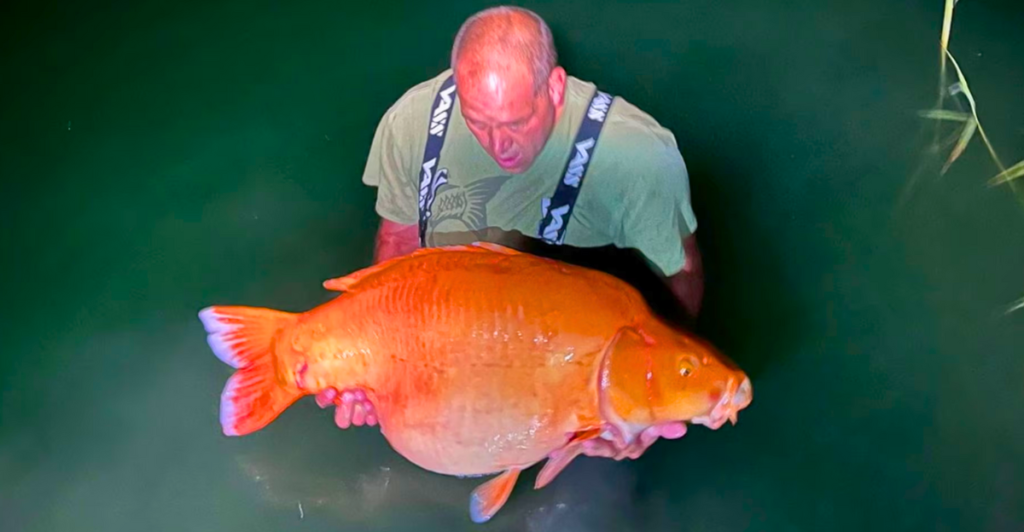
The discovery of an oversized goldfish, dubbed a “Megalodon” goldfish, has sparked grave concern about invasive species and the effects they can have on the local ecosystems. The U.S. Fish and Wildlife Service (USFWS) has recently drawn attention to the issues these fish have caused — these fish can grow to be massive after being released into the wild by pet owners. The problem also comes with a steep price tag: a 2021 study estimated that invasive species cost the United States about $21 billion a year.
The ‘Megalodon’ Goldfish Phenomenon

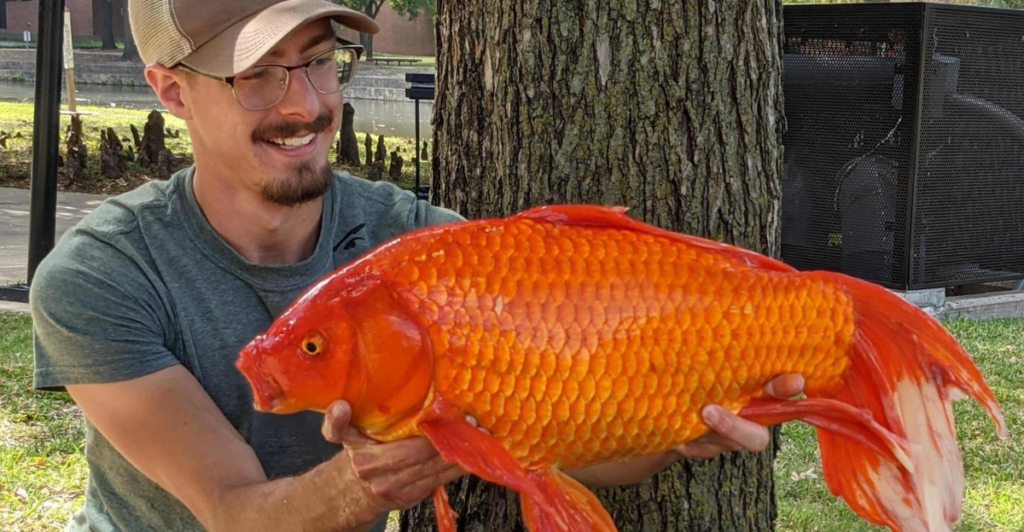
In late February 2025, the USFWS posted pictures of a giant goldfish caught in Presque Isle in Pennsylvania. These fish, once small pets, have been released into local waterways and have since ballooned to sizes comparable to footballs. In the post, the agency referred to these giant goldfish as “Megalodon,” highlighting the drastic transformation these animals undergo in the wild.
The Impact on Local Ecosystems
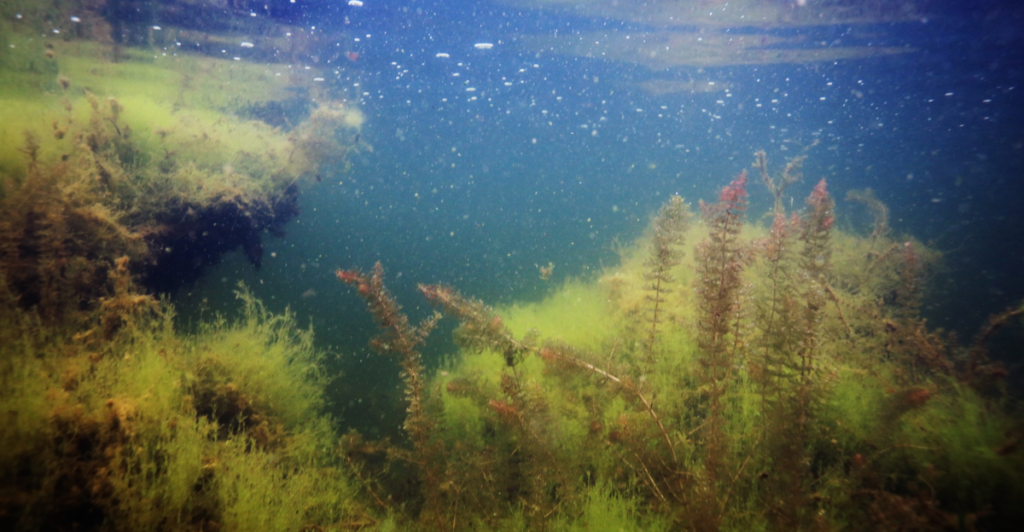
The introduction of goldfish into natural habitats can cause devastating damage to local ecosystems. These invasive fish can disrupt food chains, compete with native species for resources, and further degrade water quality, the USFWS says. They can turn clear lakes into murky environments that are inhospitable for native aquatic life.
Rapid Population Growth
Fish like the goldfish reproduce at an unprecedented rate. Without natural predators in the wild, their numbers can explode, worsening the ecological havoc they wreak. This unchecked growth leads to increased competition for food and habitat among native species, further threatening their survival.
Health Risks to Native Fish
In addition to ecological disruption, goldfish can bring harmful parasites and diseases that affect native fish populations. This health hazard is one more reason why wildlife experts advise against releasing pet goldfish into the wild.
Public Awareness Campaigns

The USFWS had adopted some campaigns for National Invasive Species Awareness Week aimed at educating pet owners about the threats of releasing non-native species into local waterways. Instead of flushing your goldfish down the toilet, the agency encourages people to find alternative solutions, like rehoming or returning them to pet stores.
Advocating for Responsible Pet Ownership
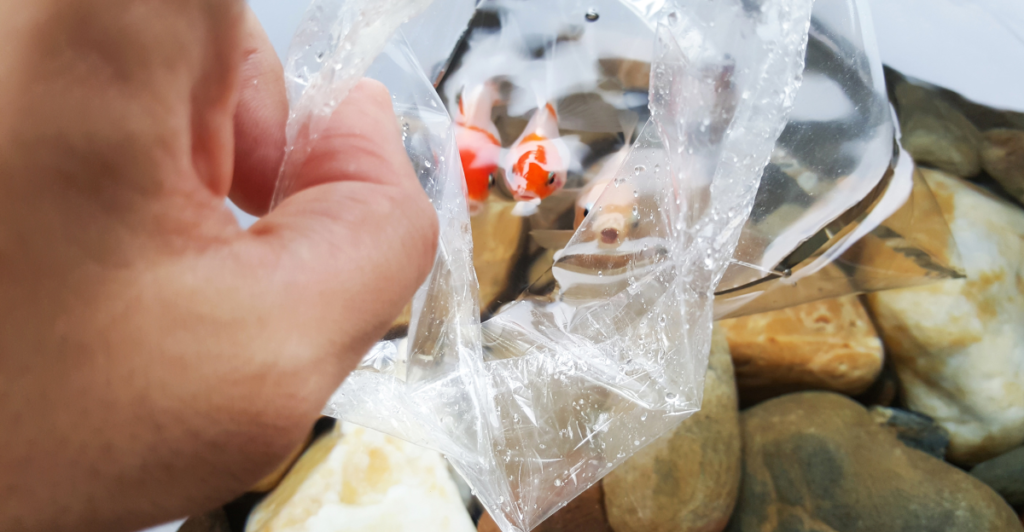
USFWS emphasizes that releasing pets into the wild is not a humane solution. An unfamiliar environment is not a safe environment for most pets, and many often suffer before dying. If they do survive, they can become invasive species and threaten local wildlife.
Financial Implications of Invasive Species Management

Managing invasive species is expensive. A 2021 study in Science of the Total Environment, built on the global InvaCost database, estimated that invasive species cost the United States about $21 billion a year between 2010 and 2020, up from around $2 billion a year in the 1960s.
Where the Costs Fall

Agriculture is hit hardest, according to that study, but costs also come from damage to fisheries, waterways, and infrastructure, as well as from control and restoration work. Preventing new releases is far cheaper than cleaning up established populations.
Conservation Programs Investments
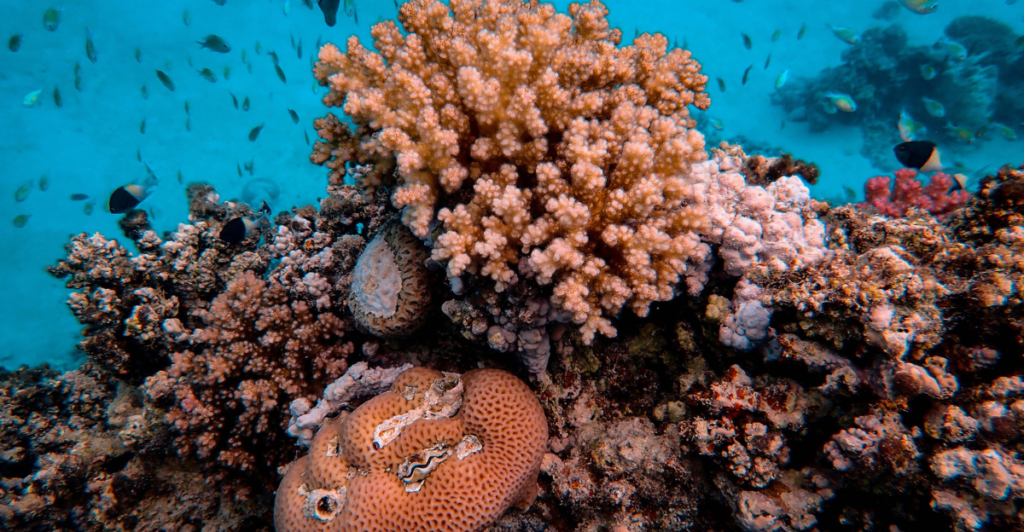
The US federal budget for 2025 proposes substantial investments in conservation programs that will combat climate change and help save threatened species. These initiatives represent an important step in the battle against invasive species like goldfish in local ecosystems.
Community Involvement Solutions
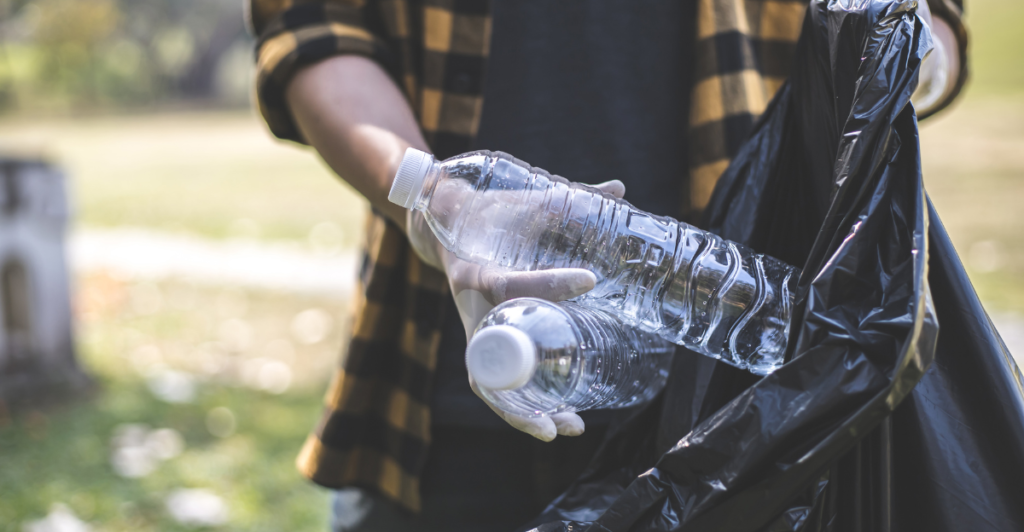
Local communities are encouraged to participate in conservation efforts by reporting invasive species sightings and helping with cleanup efforts. Engaging the community can begin to instill awareness and collective responsibility toward protecting local ecosystems.
Future Challenges and Considerations
As climate change continues to alter habitats, the challenge of managing invasive species will likely get worse. Policymakers must take these insights into account when strategizing future conservation and resources effectively.
The Consequences of Irresponsible Pet Ownership
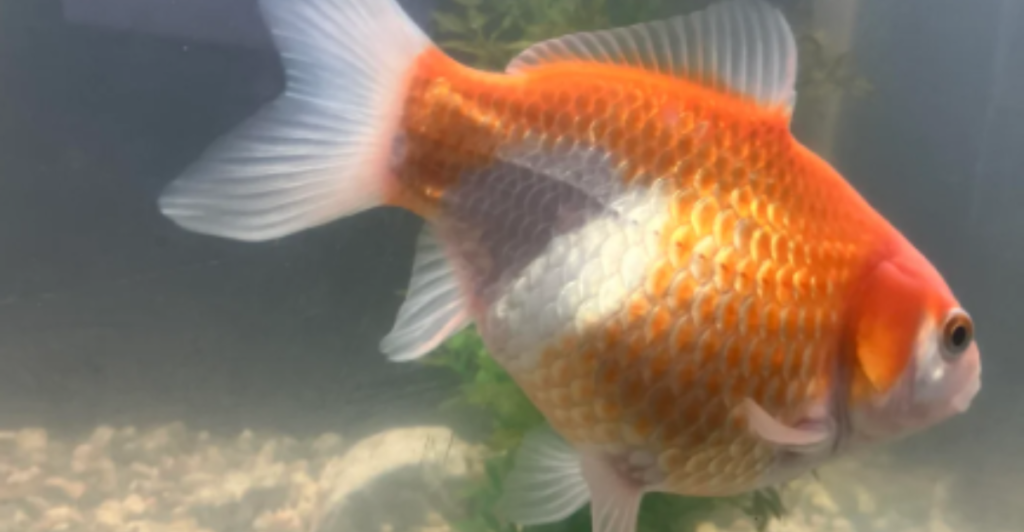
The emergence of “Megalodon” goldfish serves as a stark reminder of the consequences of irresponsible pet ownership and the broader implications for local ecosystems. However, to effectively tackle this urgent ecological problem, it is crucial for both individuals and agencies to collaborate.
Explore more of our trending stories and hit Follow to keep them coming to your feed!
Don’t miss out on more stories like this! Hit the Follow button at the top of this article to stay updated with the latest news. Share your thoughts in the comments—we’d love to hear from you!
2026 Update: The Real Cost of Invasive Species, and What to Do With an Unwanted Goldfish
The best-documented estimate of what invasive species cost comes from a 2021 study in Science of the Total Environment, built on the global InvaCost database. It found that invasive species cost the United States about $21 billion a year between 2010 and 2020, up from around $2 billion a year in the 1960s, with agriculture hit hardest.
The concern about released goldfish is real. In ponds and lakes they can grow far larger than in a tank, stir up sediment, cloud the water, and compete with native fish. They can also spread parasites and disease.
What should I do with a goldfish I can’t keep?
Never release it into a pond, lake, stream or storm drain, and never flush it. Instead, ask a local pet store, aquarium club or school whether they will take it, or offer it to another hobbyist. If none of these work, ask a veterinarian about humane euthanasia.