
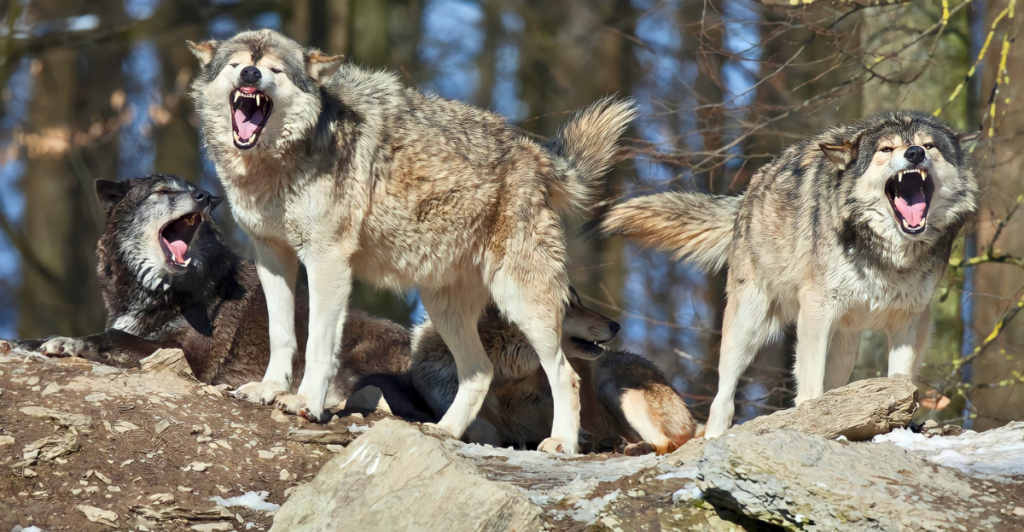
Gray wolves are making a notable return to Central Oregon due to significant development for wildlife conservation. The Oregon Department of Fish and Wildlife (ODFW) reported a 15% increase in the state’s wolf population in 2024, bringing the total to at least 204 individuals. This resurgence includes establishing new packs in Central Oregon, particularly Deschutes, Crook, Lake, and Klamath counties.
The expansion signifies a positive trend in wolf recovery efforts, reflecting the species’ adaptability and the effectiveness of conservation measures.
Historical Context of Wolf Populations in Oregon
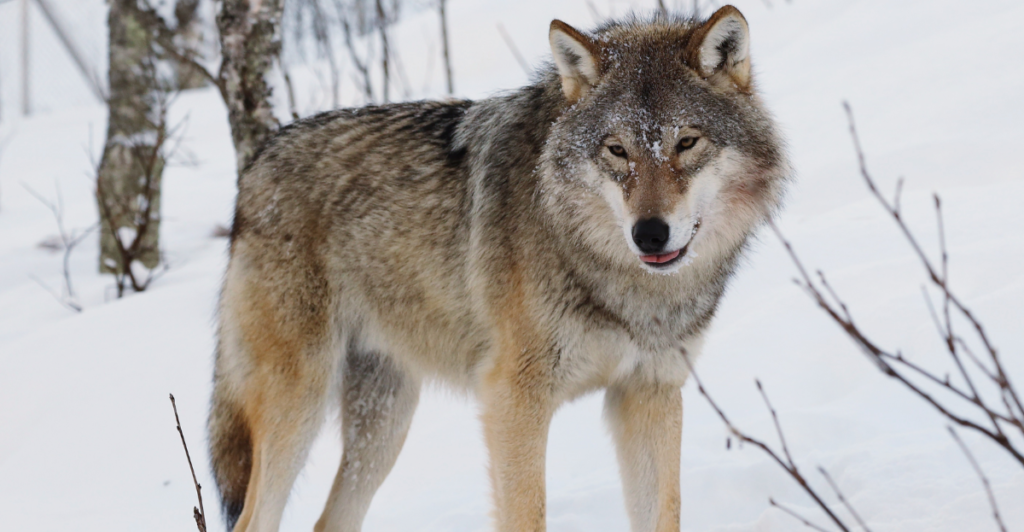
Gray wolves were extirpated from Oregon by the mid-20th century due to extensive hunting and habitat loss. Their return began in the late 1990s, primarily through natural migration from neighboring states.
The first confirmed wolf pack in Oregon in modern times was documented in 2008. Since then, the population has steadily increased, aided by legal protections and conservation initiatives. The recent growth in Central Oregon represents a significant milestone in the species’ recovery.
New Packs Established in Central Oregon
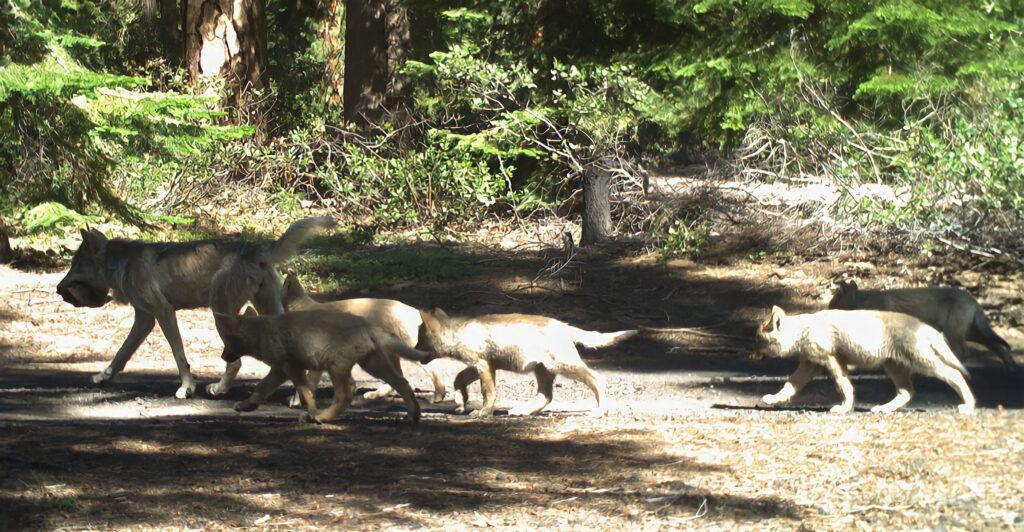
ODFW’s 2024 report highlights the formation of five new wolf packs in the Western Management Zone, which includes Central Oregon. This expansion has increased the number of breeding pairs in the region from three to seven.
The presence of breeding pairs is a critical indicator of a stable and growing population, suggesting Central Oregon provides suitable habitat and resources for wolf packs to thrive.
Monitoring and Managing Wolf Activity
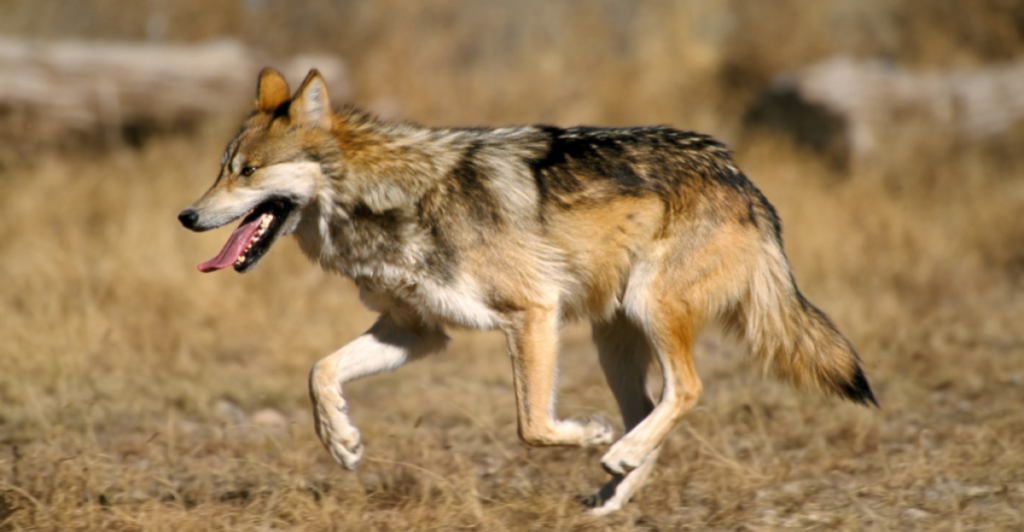
ODFW employs various methods to monitor wolf populations, including GPS collaring and remote camera surveillance.
For instance, a male wolf designated OR158 was tracked moving through Central Oregon, leading to the implementation of a conflict deterrence plan in areas where he was active. Such measures mitigate potential conflicts between wolves and human activities, particularly livestock farming.
Livestock Depredation and Conflict Mitigation
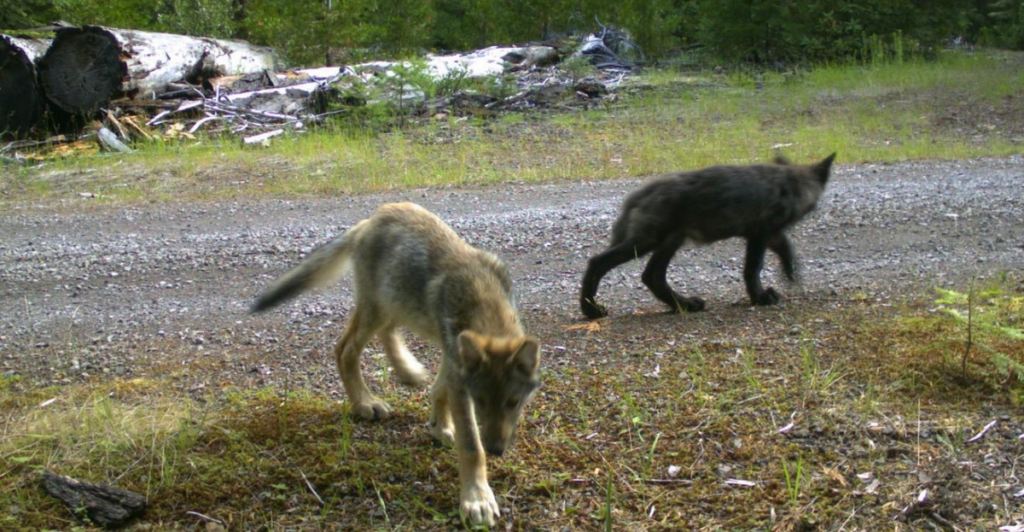
While the number of wolf attacks on livestock declined in 2024, the number of livestock animals killed or injured increased from 91 in 2023 to 115. This paradox highlights the complexity of wolf-livestock interactions.
ODFW continues to promote non-lethal deterrents, such as range riders and electric fencing, to prevent depredation and foster coexistence between wolves and ranchers.
Legal Protections and Management Plans
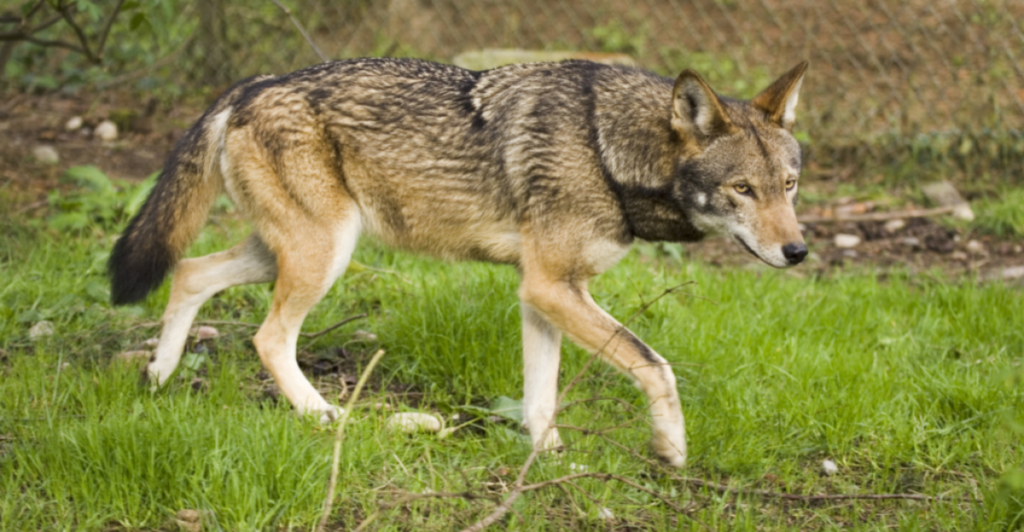
Wolves in Oregon are managed under a combination of state and federal regulations. While the species was delisted from the state’s endangered species list in 2015, they remain protected under the Oregon Wolf Conservation and Management Plan.
This plan outlines strategies for monitoring populations, mitigating conflicts, and ensuring the long-term viability of wolves in the state.
Community Engagement and Education
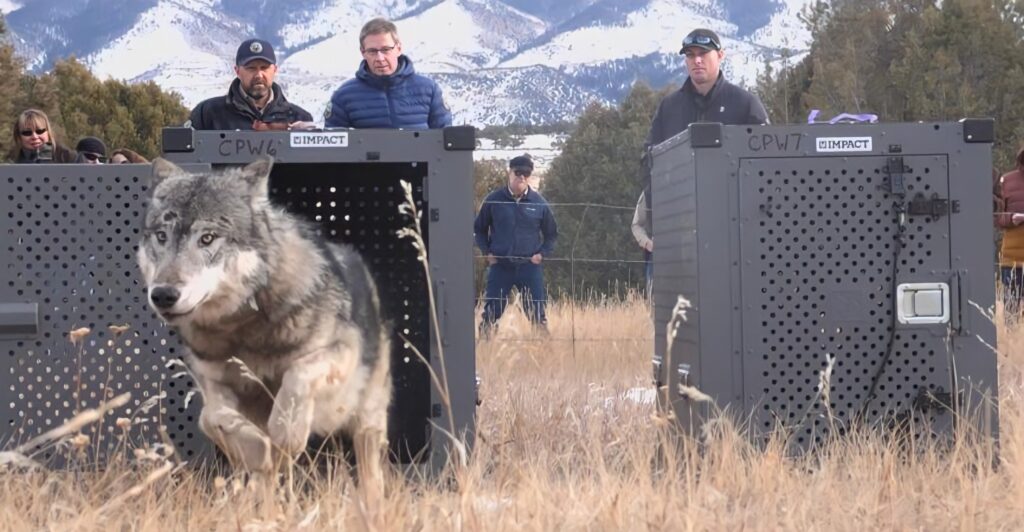
Effective wolf management involves collaboration with local communities. ODFW conducts outreach programs to educate the public about wolf behavior, ecology, and the importance of coexistence.
By involving stakeholders in decision-making processes, the agency aims to build trust and support for conservation efforts, particularly in regions where wolves are newly established.
Ecological Impact of Wolf Reintroduction

The return of wolves to Central Oregon has ecological implications beyond the species. As apex predators, wolves play a crucial role in maintaining the balance of ecosystems by regulating prey populations and promoting biodiversity.
Their presence can positively change vegetation and habitat structures, benefiting many other species.
Challenges and Future Outlook
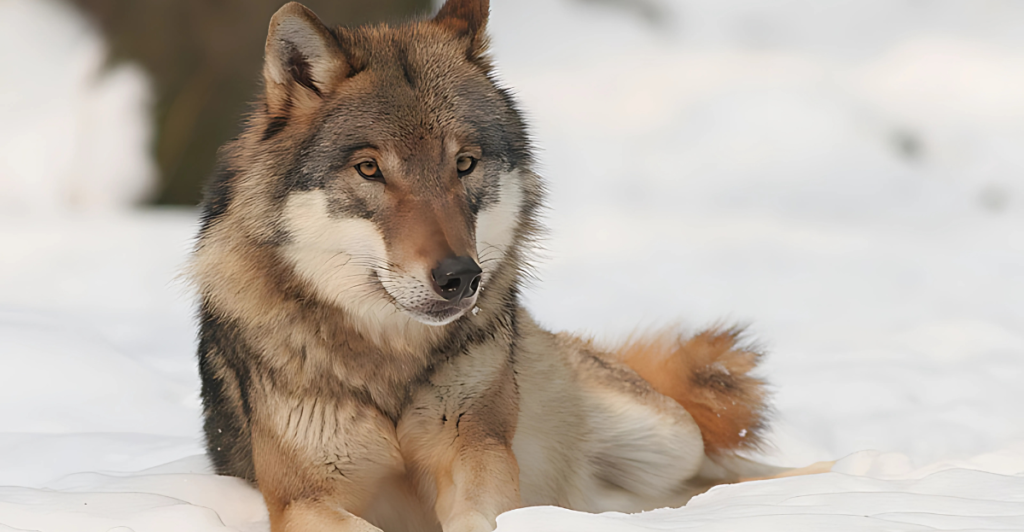
Despite the positive trends, challenges remain in wolf conservation. Illegal killings and poaching continue to threaten population growth, with 12 wolves illegally killed in 2023.
Addressing these issues requires ongoing wildlife protection laws and public education enforcement to reduce human-wolf conflicts.
A Milestone in Conservation
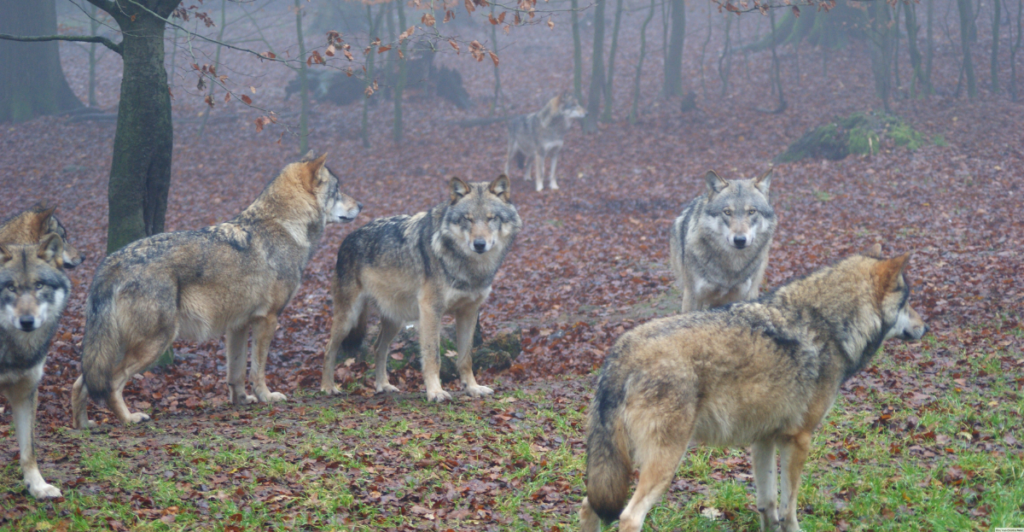
The resurgence of gray wolves in Central Oregon marks a significant achievement in wildlife conservation. Continued efforts in monitoring, conflict mitigation, and community engagement are essential to sustain this progress.
As wolves reclaim their historical range, their presence is a testament to nature’s resilience and the effectiveness of dedicated conservation strategies.
Explore more of our trending stories and hit Follow to keep them coming to your feed!

Don’t miss out on more stories like this! Hit the Follow button at the top of this article to stay updated with the latest news. Share your thoughts in the comments—we’d love to hear from you!
2026 Update: Oregon’s Wolf Count Hits a Modern Record
The Oregon Department of Fish and Wildlife (ODFW) released its 2025 Annual Wolf Report in April 2026. It counted at least 230 wolves statewide at the end of 2025. That is up 13% from 2024 and the highest minimum count since wolves returned to the state. ODFW documented 30 packs and 23 breeding pairs, up from 17 breeding pairs the year before.
The most notable change is the westward shift. The number of wolves west of the Cascades rose from 49 in 2024 to 88 in 2025, so nearly 40% of Oregon’s wolves now live there. New packs have formed in the Cascades, and sightings have increased in parts of Central Oregon, including Deschutes County. Wolves in western Oregon remain federally protected under the Endangered Species Act, while the state has more management flexibility in eastern Oregon.
Conflict also rose. ODFW confirmed 106 depredation events in 2025, up from 69 in 2024, and most occurred on private land in northeastern Oregon. Twenty wolves were lethally removed by officials for chronic livestock losses, and ranchers killed three more that were caught attacking livestock. Non-lethal tools such as range riders, fladry and carcass removal remain central to reducing conflict.
Sources
- ODFW: 2025 Oregon Wolf Conservation and Management Annual Report
- KTVZ: Oregon wolf population climbs in 2025