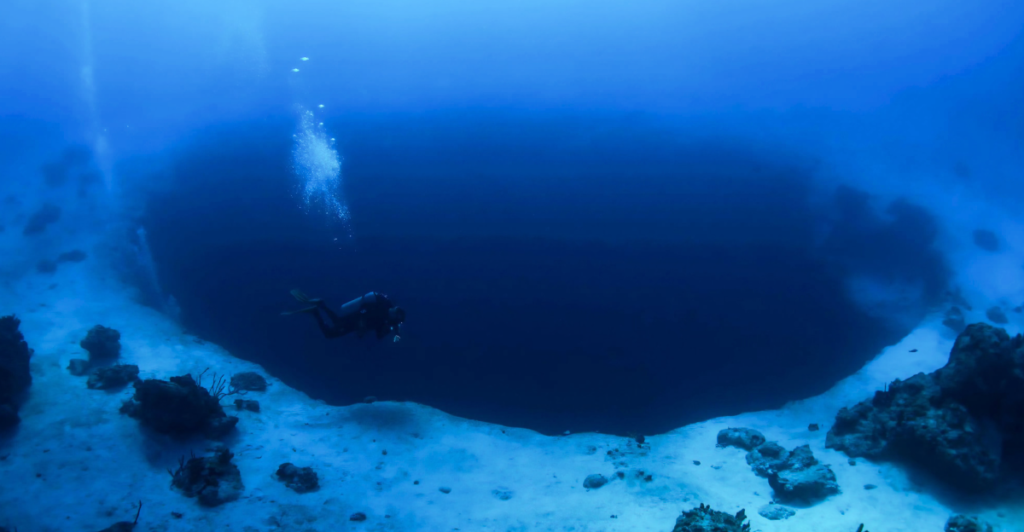
Just when you thought the deep sea couldn’t get any more mysterious, there’s a massive ‘gravity hole’ in the Indian Ocean where the sea surface sits more than 100 metres lower than it otherwise would. Online stories have linked it to whales veering 1,200 miles off course, but no scientific study supports that claim—so here’s what the science actually says.
What is an ocean ‘Gravity hole’?
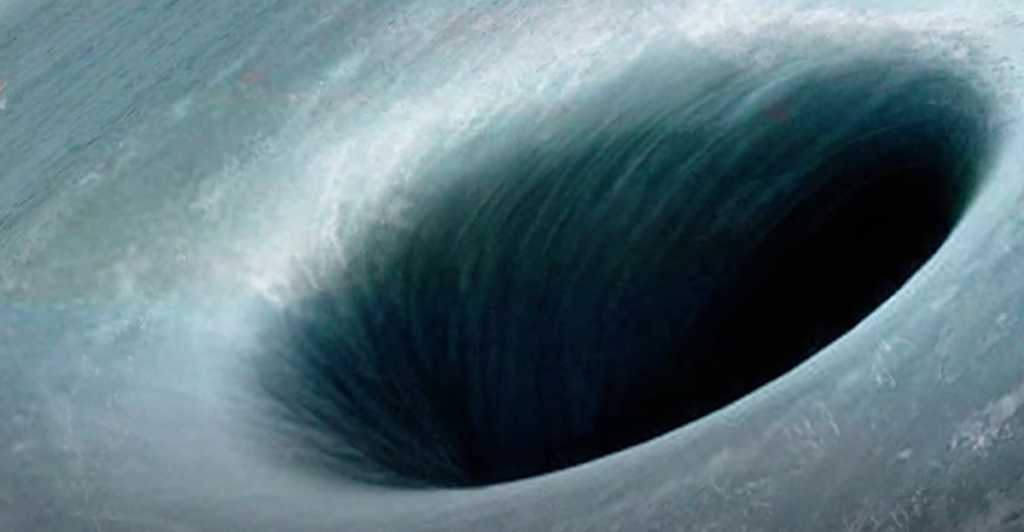
It may sound like something out of a sci-fi movie, but there’s nothing fictional about this. Gravity holes are very real. These are massive depressions in the ocean where gravity is weaker than normal, meaning water sits at a lower elevation than the surrounding sea. Think of it like a gigantic, invisible pothole in the middle of the ocean.
Where Is This One and How Did It Form?
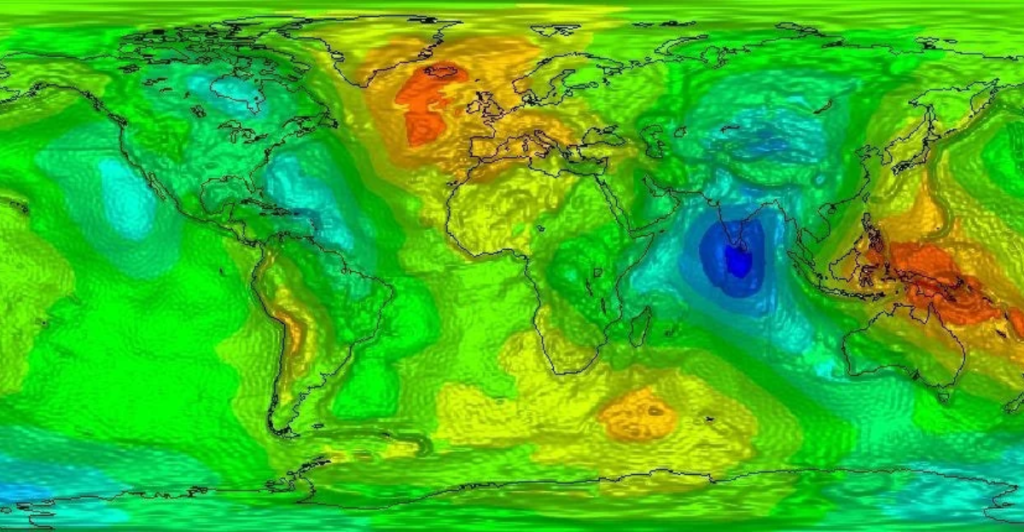
The gravity hole in question is located in the Indian Ocean, off the southern tip of India, and it’s one of the largest on Earth. Scientists have known about it since 1948, and in 2023 researchers proposed that plumes of hot mantle material formed it about 20 million years ago.
What About the Whale Detour Story?
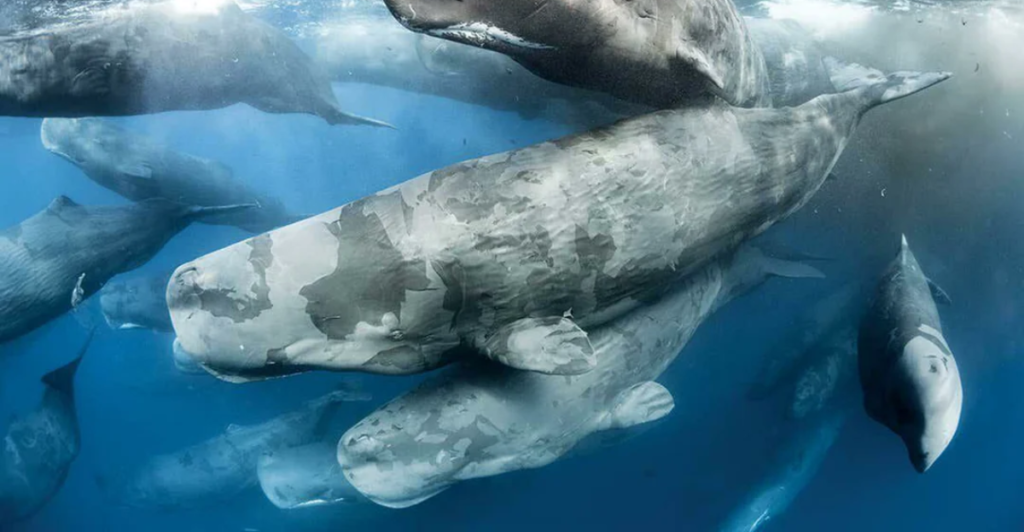
Viral reports claimed that a pod of sperm whales made a baffling 1,200-mile detour because of the gravity hole. We could not find any study or tracking data behind that claim, and no researchers have linked the geoid low to whale navigation.
How Do Whales Navigate, Anyway?
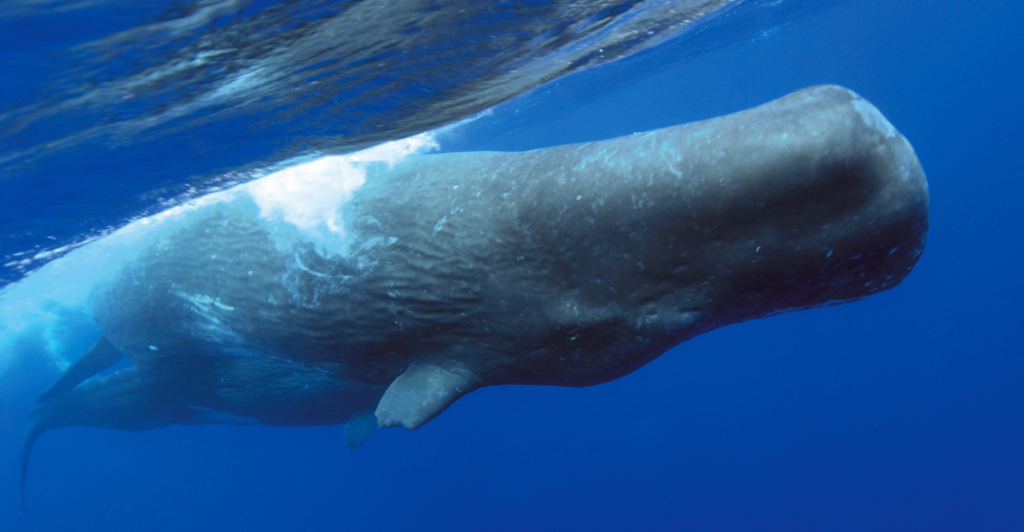
Unlike us, whales obviously can’t rely on Google Maps—many scientists think they use Earth’s magnetic field to find their way. This built-in compass may help them travel thousands of miles across the ocean. A gravity low doesn’t warp the magnetic field, though, so there’s no known way it could throw off their sense of direction.
So What Does Cause Whale Strandings?
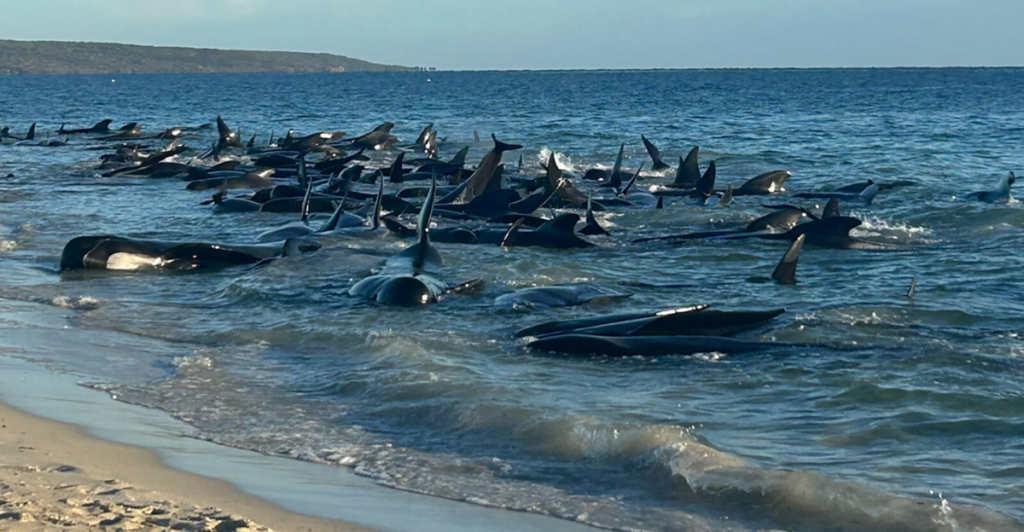
Scientists link whale strandings to many factors, including illness, injury, loud underwater noise such as military sonar, and tight social bonds that can lead whole pods ashore. There is no evidence that gravity anomalies like this one play a role or act like underwater Bermuda Triangles.
The Ocean’s Gravity Isn’t as Even as You Might Think
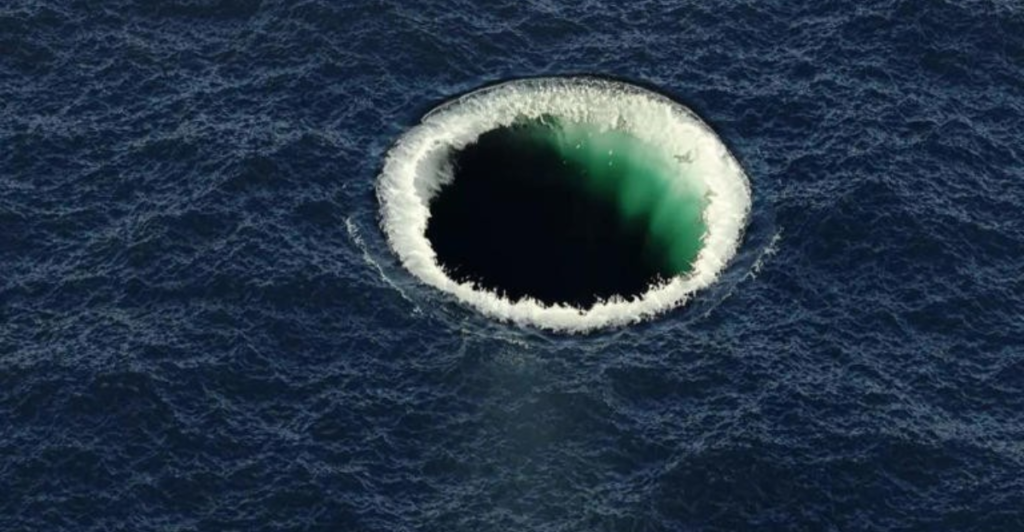
We like to imagine Earth’s gravity is evenly spread out, but no. Different parts of the ocean have stronger or weaker gravitational pulls, which can actually warp sea levels. These differences are tiny, though—animals and ships simply move across them without noticing.
Could This Also Affect Ships and Submarines?
Could a gravity hole mess with human navigation systems? In practice, no. The gravity difference is far too small to affect sonar, GPS, or the handling of ships and submarines, although precise gravity maps do matter for satellite measurements of sea level.
Is Climate Change Making the Gravity Hole Worse?
Melting ice sheets do shift Earth’s gravity field slightly, but the Indian Ocean geoid low is driven by the deep mantle and changes over millions of years, not decades—so it is not a growing hazard for marine life.
Are There More of These ‘Gravity Holes’ We Don’t Know About?
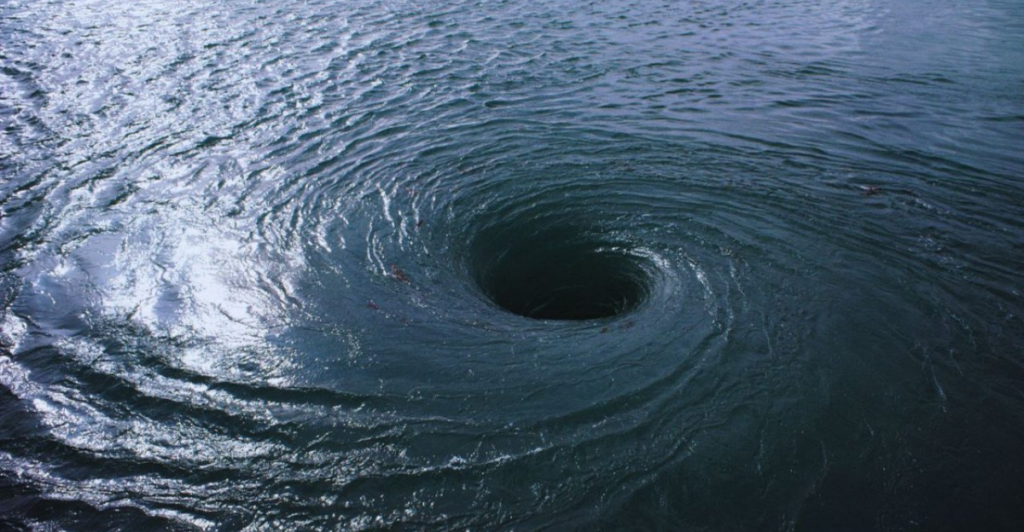
The Indian Ocean gravity hole isn’t the only one on Earth, scientists have found several around the world. Satellite missions such as GRACE and GOCE have mapped Earth’s gravity field in detail, so major undiscovered anomalies are unlikely.
Could We Ever ‘Fix’ a Gravity Hole?

Gravity holes aren’t like potholes in a road—you can’t just fill them in. And there’s no need to: they pose no known danger to wildlife, ships, or submarines. Studying them instead helps scientists understand what is happening deep inside the Earth.
What Scientists Are Watching Next
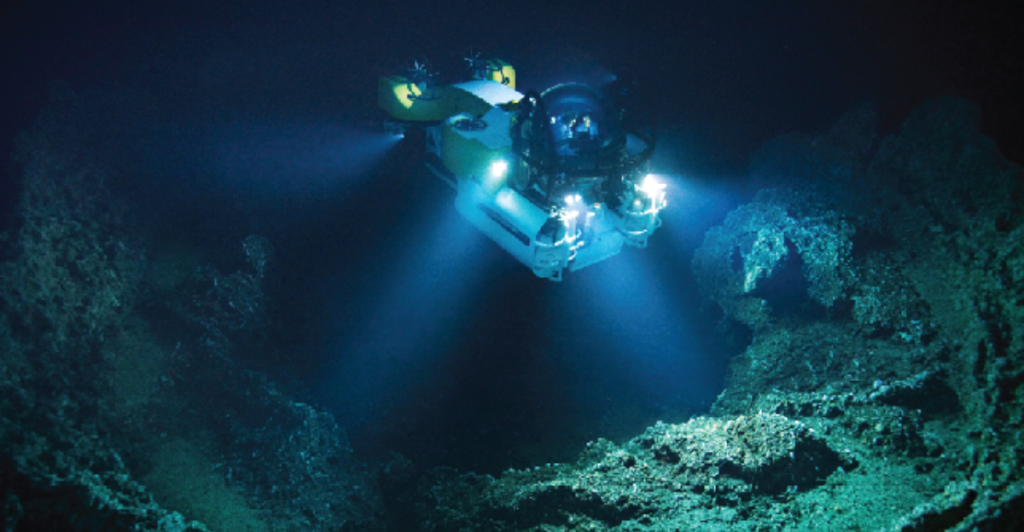
Researchers use satellite gravity data and computer models of the mantle to understand how this gravity hole formed and how it may slowly change over millions of years.
The Bigger Picture: The Ocean Is Full of Mysteries
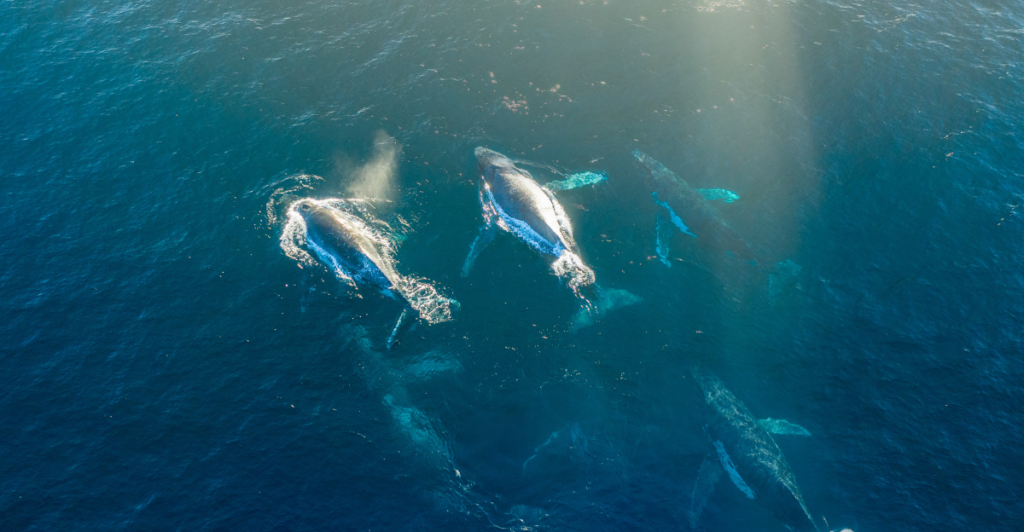
This feature is a reminder of how much is still being learned about the Earth beneath our oceans. One thing’s for sure—the deep sea is keeping a lot of secrets.
New Piece in the Puzzle of the Ocean’s Mysteries
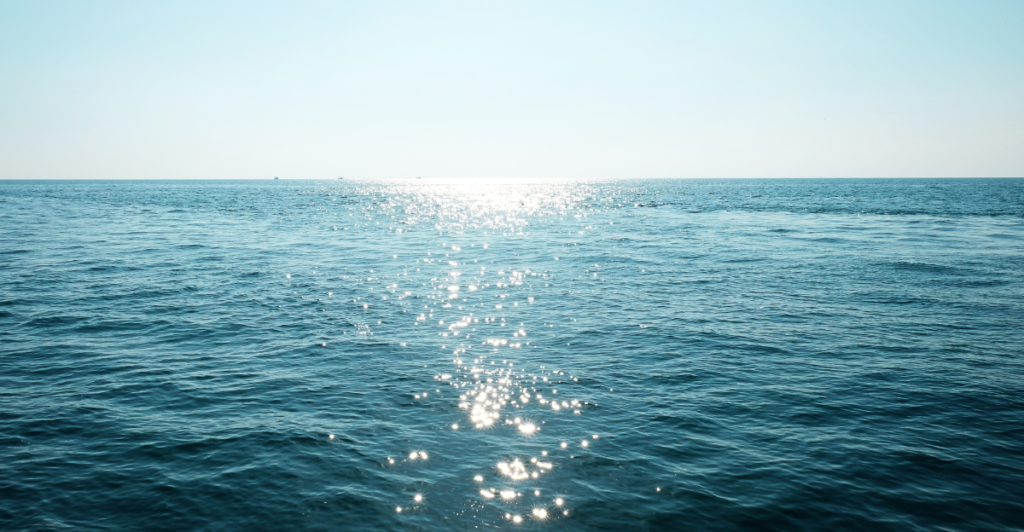
The Indian Ocean’s gravity hole is a genuine scientific curiosity, offering a window into the movements of Earth’s mantle—even though there is no evidence it disrupts marine life or navigation. One thing is clear: Earth’s oceans are still full of surprises.
Explore more of our trending stories and hit Follow to keep them coming to your feed!

Don’t miss out on more stories like this! Hit the Follow button at the top of this article to stay updated with the latest news. Share your thoughts in the comments—we’d love to hear from you!
2026 Update: The Indian Ocean “Gravity Hole” and the Whale Claim
The Indian Ocean Geoid Low is real and well studied. It lies off the southern tip of India and covers roughly 3 million square kilometres (1.2 million square miles). There, the sea surface sits more than 100 metres (about 328 feet) lower than it would otherwise, because gravity is slightly weaker. Dutch geophysicist Felix Andries Vening Meinesz identified it in 1948 during a ship-based gravity survey. In 2023, researchers at the Indian Institute of Science in Bengaluru, including Attreyee Ghosh, published an explanation in Geophysical Research Letters. Their models suggest that plumes of hot mantle material formed the low about 20 million years ago, linked to the closing of an ancient ocean as India drifted north toward Asia.
We have not found any peer-reviewed study linking the geoid low to a 1,200-mile whale detour or to whale strandings. The feature changes over millions of years, not months, and it is not something ships or animals would “fall into.” How whales navigate is still an active research area, and sensing Earth’s magnetic field is one leading hypothesis.