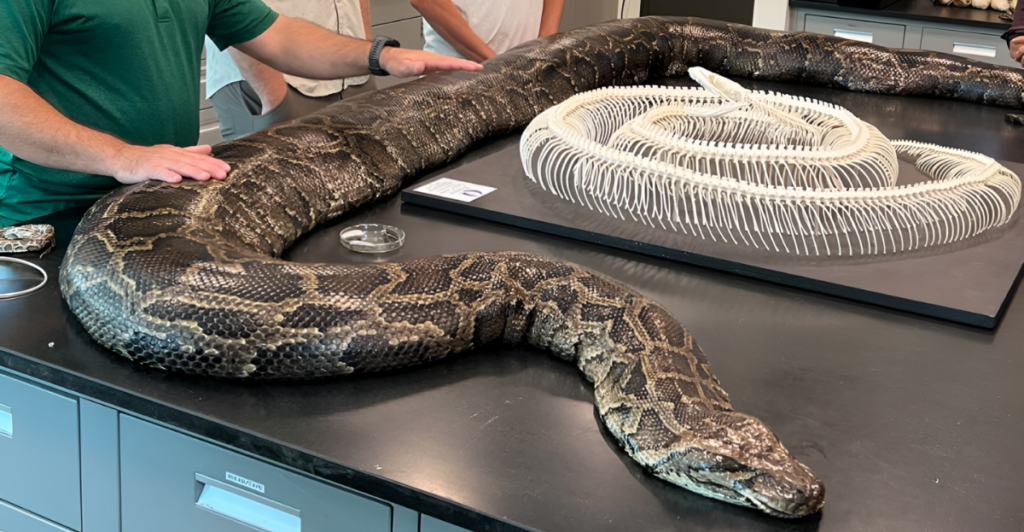
Consider an animal so resilient, it turns evolution on its head. That’s what could be occurring in the wetlands of Florida as we speak. Following a strange cold front in 2010—something that hadn’t affected Florida in decades—a tiny percentage of the Burmese pythons survived.
But these were no ordinary survivors. Researchers are now discovering they possessed strange genetic characteristics that enabled them to weather the harsh cold snap.
And today? Their offspring may be better equipped for cold snaps, though whether that will let them spread farther north is still unknown. It’s survival of the fittest in action—and in time, things could be a lot slither-ier than anyone might have anticipated.
The Big Freeze That Changed Everything
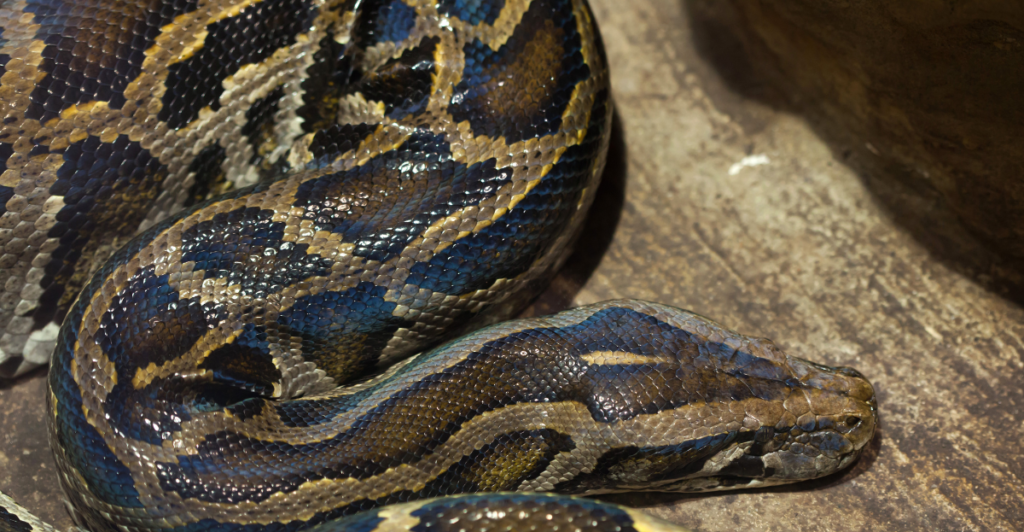
A devastating cold front swept Florida in January 2010, locking wildlife in place. Iguanas fell out of trees, citrus trees sparkled like crystal, and the Burmese pythons of the Everglades lived through mass slaughter.
Temperatures dropped to a jaw-dropping 24.8°F (-4°C). It was a one-two punch for cold-blooded animals. Initially, it seemed to be a victory for conservationists fighting the invasive snake infestation.
Pythons were decimated as far as the eye could see. Populations seemed to crater. But nature had other ideas. Entombed in the debris were survivors—an elite, cold-resistant few—possessing the genetic stamina to make it through yet another day.
Why Some Snakes Survived

And as it happens, it wasn’t all coincidence. The surviving pythons had something different going on under the hood: genes that were resistant to cold. Most snakes tried basking above ground, which proved deadly.
But a smart few burrowed underground or stayed submerged in more comfortable waters. Scientists later found that the survivors carried gene variants linked to thermoregulation and metabolism.
These snakes may have been predisposed to behave differently—and to cope better with the cold. It’s a reminder that evolution doesn’t always take millions of years. Sometimes it can happen with one cold night and some fortunate genes.
An Unplanned Evolutionary Experiment
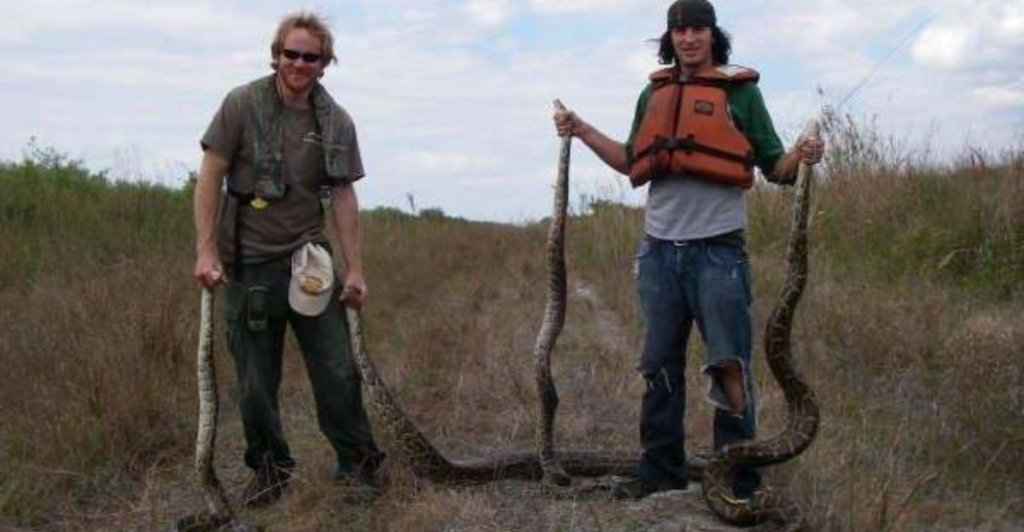
Scientists refer to the 2010 freeze as a “bottleneck event.” In effect, the catastrophic die-off leaves a handful of survivors—those that endured and repopulated the area with their new adaptations.
Geneticists such as Daren Card and Todd Castoe began working on analyzing python DNA following the freeze. And what they discovered was incredible. Survivors had genetic markers associated with increased thermal tolerance and adaptable metabolism.
In simple terms: they would be able to withstand cold better and modify diets if prey was scarce. Evolution wasn’t plodding along slowly in this case—it was running at full speed. Florida’s python invasion, already a major problem, could become even harder to control.
What the Genes Reveal

DNA from pythons after the freeze revealed shifts in existing variants of key “thermal tolerance” genes. These genes assist snakes in sensing temperature changes, maintaining body temperature, and modifying behavior in the cold.
Another surprise? Genes tied to metabolism, and to how pythons regrow and resize their organs between meals, also showed signs of selection. Researchers believe these changes may have helped pythons survive when major prey was scarce.
If that is the case, the snakes might one day cope better farther north—but that has not been shown. Studies are still under way, and the population is far from invincible.
The Fast Lane of Evolution
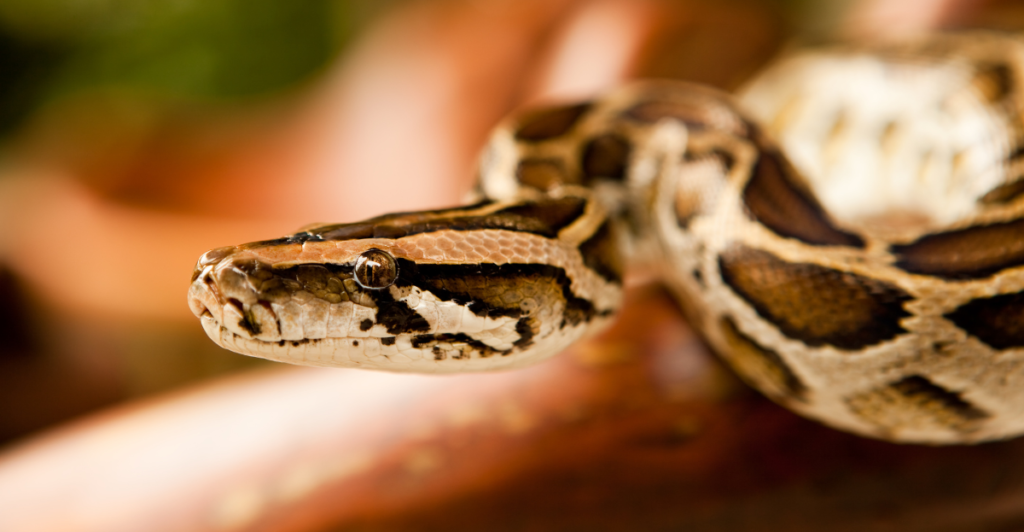
We picture evolution as a gradual, slow process—mutations piling up over dozens of generations. But Mother Nature floors it every so often. Sudden environmental stress—such as a lethal cold snap—can trigger rapid adaptation.
Castoe summed it up nicely: when you’ve got significant genetic diversity to begin with (as Florida’s pythons did, brought from all around Asia), fast environmental changes can lead to rapid evolution.
“If I’ve got the allele, what the hell am I waiting for?” he joked. That is, the genetic deck was already shuffled. The cold just rearranged the cards. And now the snakes are playing for keeps.
Why It Matters (And Why It’s Scary)
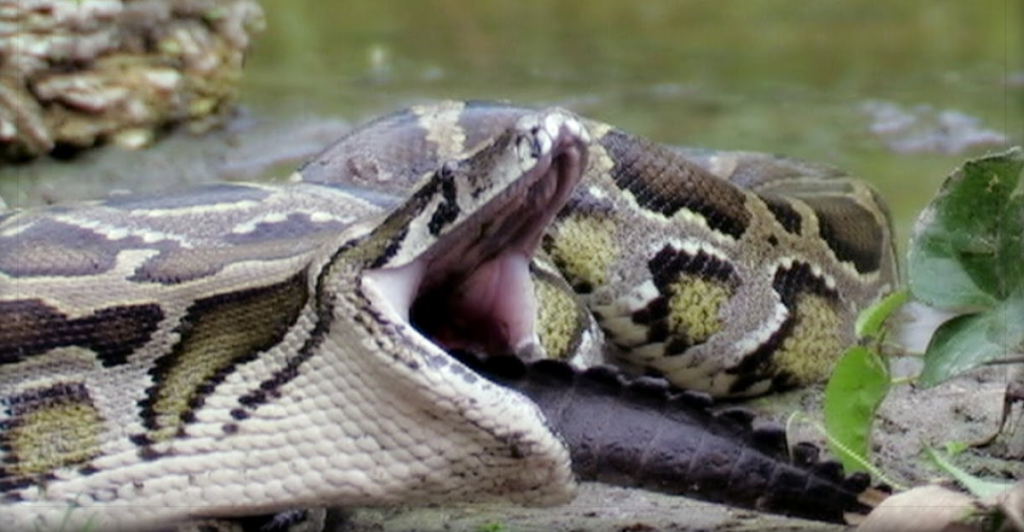
This may not stay a Florida issue forever. Some researchers have raised the possibility that more cold-tolerant pythons could eventually push beyond the Everglades, although there is no evidence yet that this is happening. That is a worrying prospect for native wildlife, already being affected by invasive animals.
Burmese pythons are top predators, feeding on rabbits, deer, and even alligators. If their range increases, native wildlife will have an even more difficult time rebounding. Plus, controlling python populations is costly and frustrating work.
If the snakes are becoming more cold-hardy, the task could get even more challenging—and we may be paying for it for decades.
What Scientists Still Don’t Know
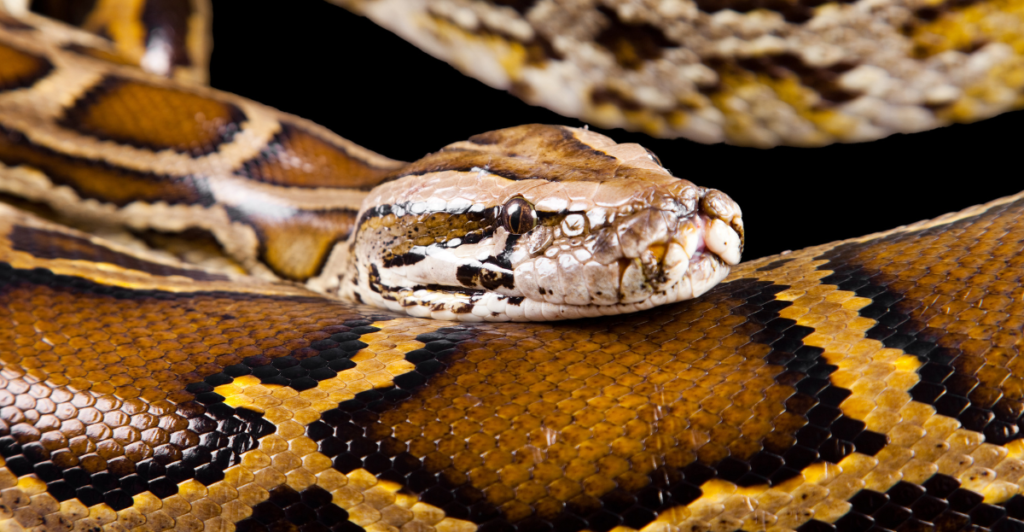
Yet, even with some awe-inspiring discoveries, the story isn’t entirely over. The first study was small, and no large follow-up studies have reproduced the result (at least not yet).
Geneticists admit they’re still watching this trend from “30,000 feet.” That is, we have a sense that something occurred—but we don’t yet have the whole picture. How fast will these traits spread across the nation? Will they spread and become dominant in the gene pool?
Will disease or other predators hold them back? We simply can’t be certain right now. But the data we do have indicates that pythons are adapting to Florida faster than many expected.
Nature’s Brutal, Brilliant Logic
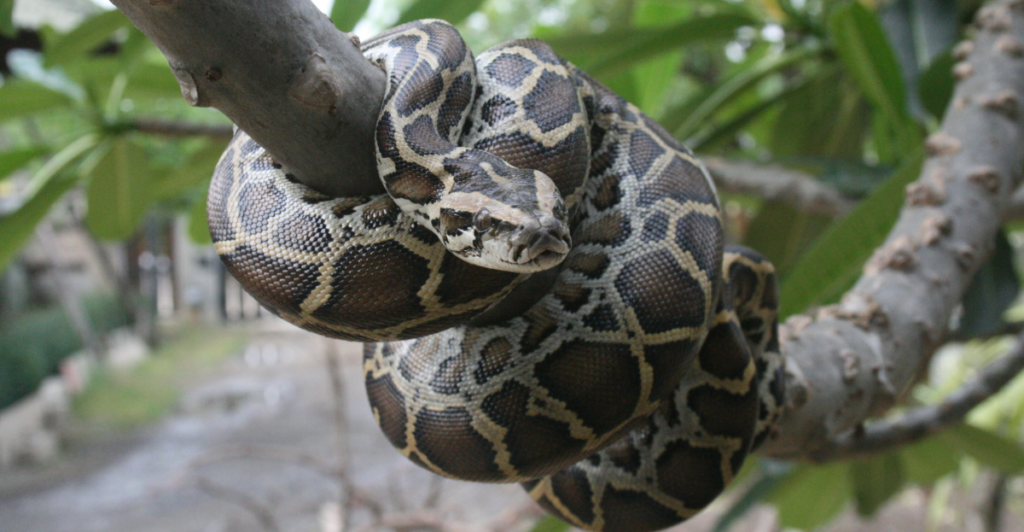
If there’s one thing the 2010 Big Freeze taught us, it’s this: nature doesn’t play favorites. It rewards whatever works, even if that means letting more cold-tolerant snakes emerge from the ashes of an epic die-off.
Evolution isn’t some genteel, incremental process—it’s savage, brutal, and flash-fast when it must be. Florida pythons aren’t merely hanging on; they’re adapting to the conditions they face.
It’s a grim consideration, but it’s also a grand demonstration of the way life steadfastly refuses to be exterminated, no matter how many hurdles are in its path.
So, What’s Next?
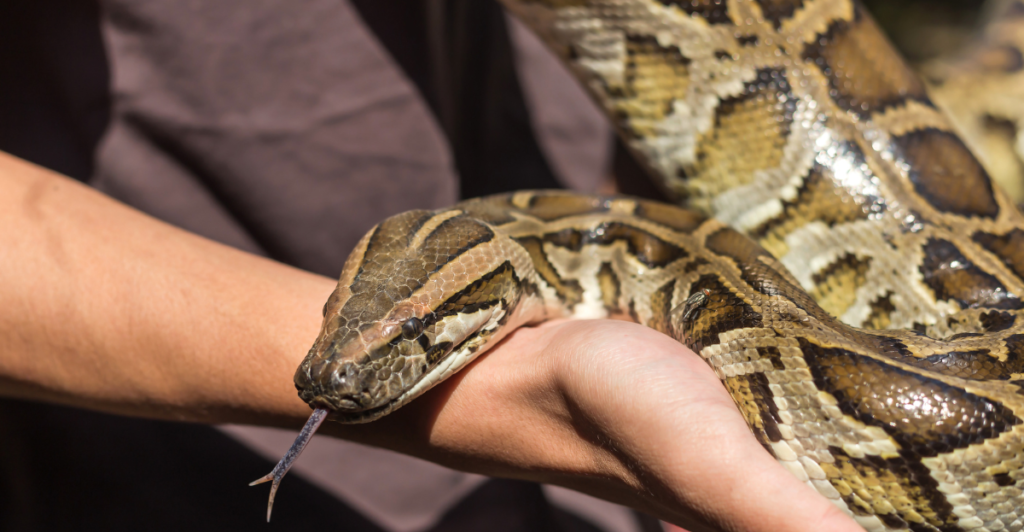
The next decade will be the determining factor. Wildlife authorities are increasing python hunting and removal activities. Practically speaking, though, it’s like trying to clean the ocean with a paper towel. The pythons have a head start, and any added cold tolerance would only make them more difficult to manage.
Scientists are urging more genetic research, improved tracking protocols, and tougher invasive species legislation. In the meantime, Floridians may need to get used to seeing more of these sneaky snake artists.
Explore more of our trending stories and hit Follow to keep them coming to your feed!

Don’t miss out on more stories like this! Hit the Follow button at the top of this article to stay updated with the latest news. Share your thoughts in the comments—we’d love to hear from you!
2026 Update: What the Python Freeze Study Actually Found, and the Latest Removal Numbers
More on the science behind this story. The key research is a 2018 paper in Molecular Ecology by Daren Card, Todd Castoe and colleagues, with co-authors from the U.S. Geological Survey. The team compared Florida Burmese pythons sampled before and after the January 2010 cold snap. They found evidence of directional selection in genomic regions rich in genes linked to thermosensation, behaviour and physiology, including genes tied to how pythons regrow and resize their organs between meals. In plain terms, the freeze killed many snakes, and the survivors carried gene variants that seem better suited to cold. That is natural selection acting on existing variation. It does not mean the population can now spread freely across North America.
Control efforts continue. The 2025 Florida Python Challenge removed a record 294 Burmese pythons, caught by 934 participants from 30 states and Canada. The Florida Fish and Wildlife Conservation Commission (FWC) says more than 23,000 wild pythons have been removed and reported since 2000. Sightings can be reported to FWC’s exotic species hotline at 888-IVE-GOT1.
Sources
- USGS: Novel ecological and climatic conditions drive rapid adaptation in invasive Florida Burmese pythons
- FWC: Results of the 2025 Florida Python Challenge