

Over the years, reptiles have become more popular as pets, and for good reason. Dogs are often seen as the ultimate pet, but they might not be for everyone. Reptiles have so much to offer, and they make ideal pets for some households.
They Need Less Hands-On Time
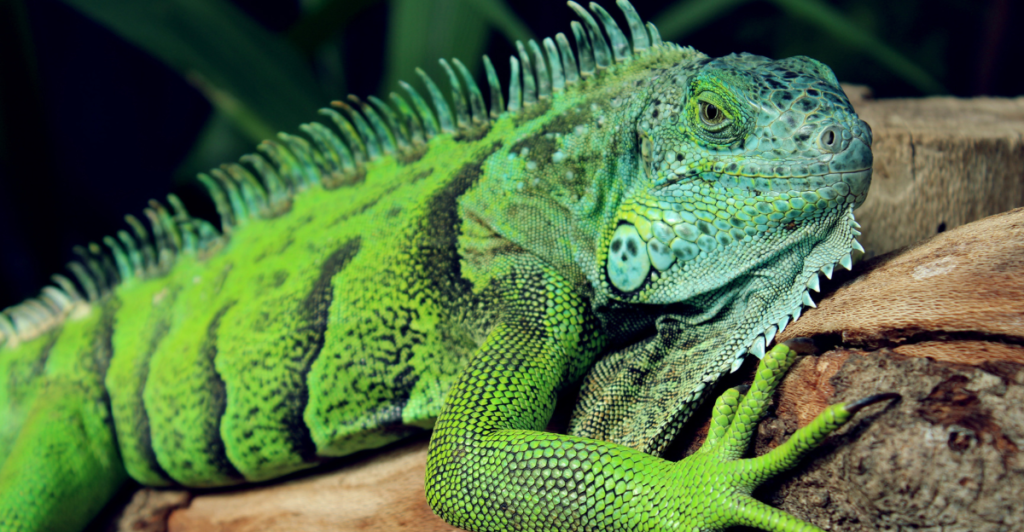
Reptiles need less day-to-day hands-on attention than dogs. There is no grooming, no walks, and no need for constant company. That said, they are not low-maintenance: their habitats need careful setup and upkeep, with the right heat, humidity and often UVB lighting, plus regular feeding and cleaning. If you have a busy schedule but still want a home companion, a reptile can be a good option.
They Can Cost Less Over Time
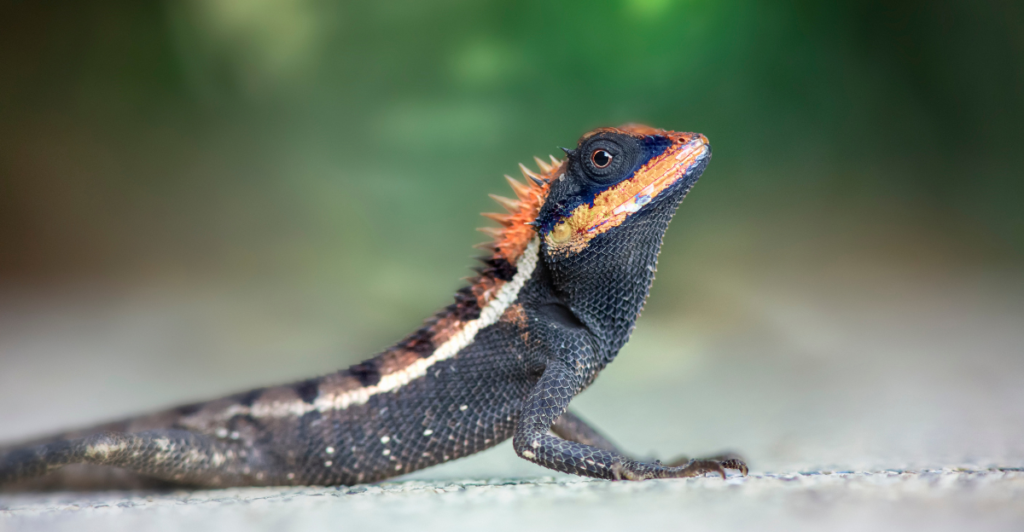
Having a reptile for a pet can cost less than owning a dog. Dogs need regular grooming, large amounts of food, and toys that only get chewed up. Reptiles have a substantial upfront cost for a proper enclosure, heating and lighting, plus replacement bulbs and visits to an exotics vet, but their ongoing costs are often lower in the long run.
They Are Quiet Companions
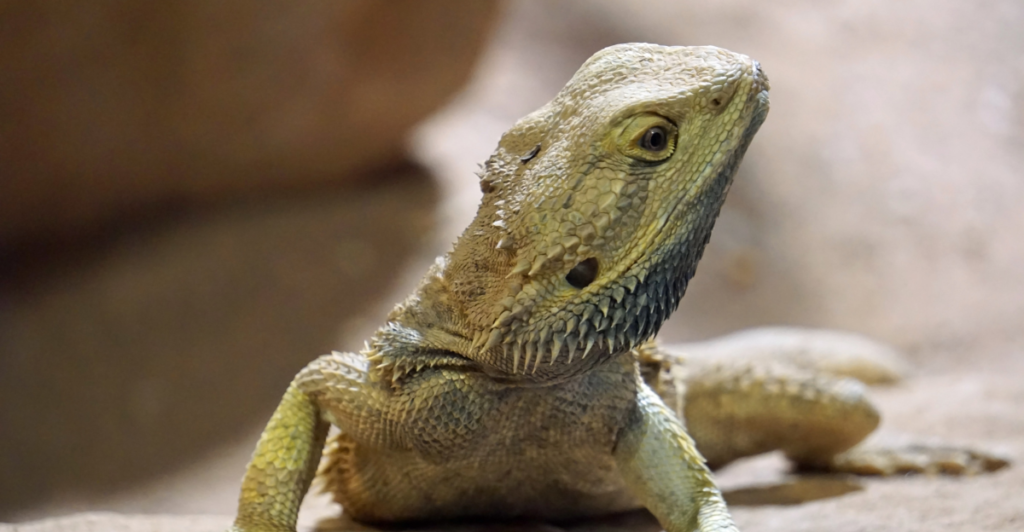
Reptiles are virtually silent compared to dogs, who love barking, whining, and playing around. They make the perfect companions for homes that need a peaceful and calm space.
Hypoallergenic

Many people suffer from allergies that can prevent them from owning a loving pet. This is where reptiles can come in and share all the love they have to give. Reptiles have no fur or dander, so they rarely trigger allergies the way cats and dogs do, making them an excellent option for sensitive owners.
No Need For Walks

Dogs require a lot of attention and exercise, such as walks in the park, a game of fetch, and even running around in the backyard. Reptiles don’t need to be taken for walks or to throw a ball around. They are perfectly happy exploring their enclosure and basking under the light.
Minimal Space Requirements
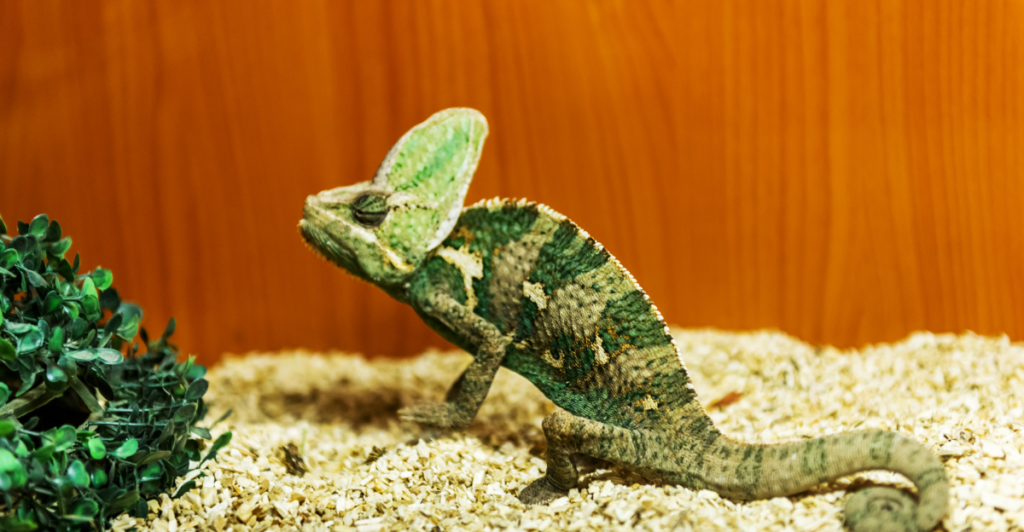
Reptiles don’t go much further than the walls of their enclosure, and they’re pretty content. On the other hand, dogs need a lot of space to play, run, and be happy. Reptiles are an excellent option for people with limited space but long for a companion.
Less Mess Around the House
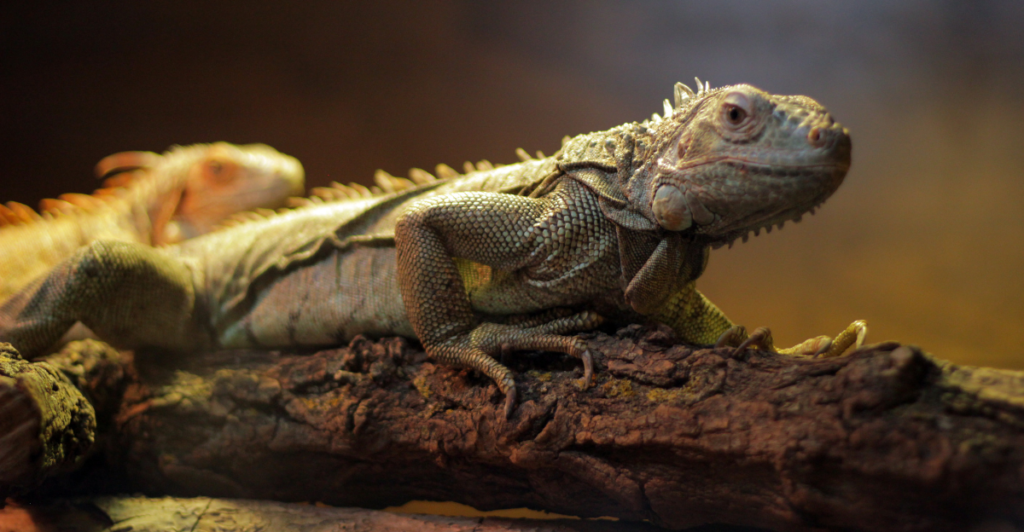
Let’s be honest. Dogs can make quite a mess in any home, whether they intend to or not. Reptiles don’t shed throughout the house and mainly stay in their enclosures, making cleanup easier than with a dog. However, reptiles commonly carry Salmonella, so their enclosures need regular cleaning, and you should always wash your hands after handling them, their food, or their habitat.
They Live Long Lives
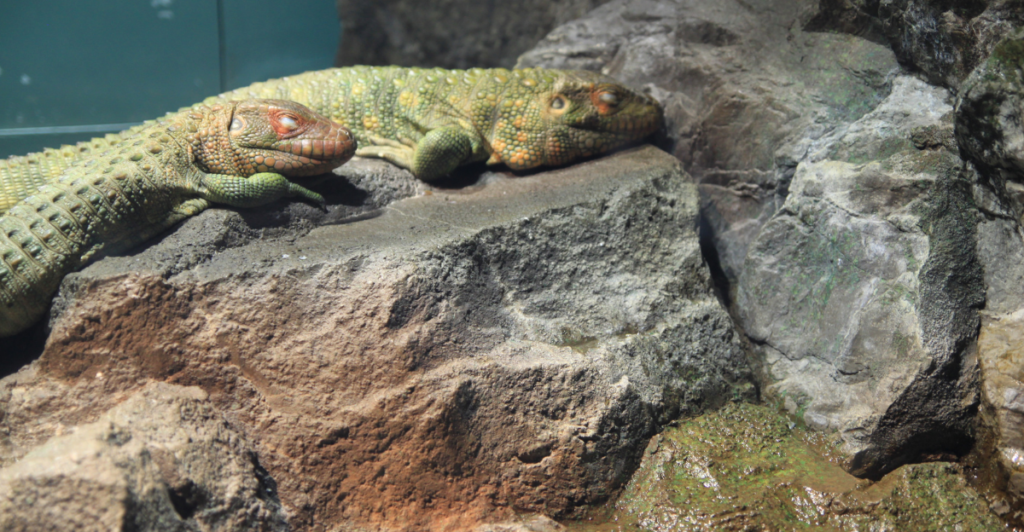
Reptiles can live much longer than dogs, making them long-term companions. Some species can live between 20 and 30 years when properly cared for. This allows people to form strong bonds with their pets, knowing they won’t go anywhere soon.
They’re A Conversation Starter
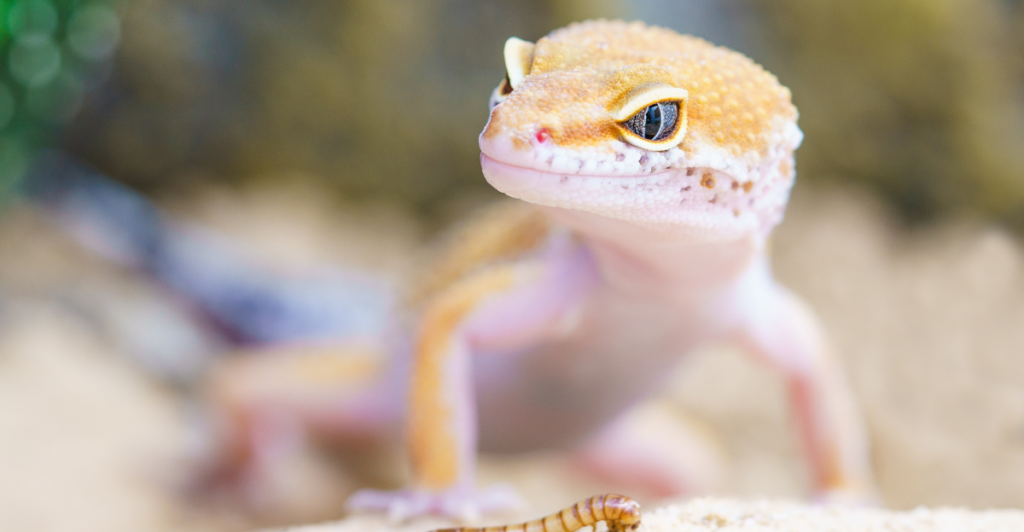
Reptiles have a unique look and aren’t common in most homes, which makes them quite the conversation starter with your guests. They come in different shapes, sizes, and colors compared to dogs.
Independence
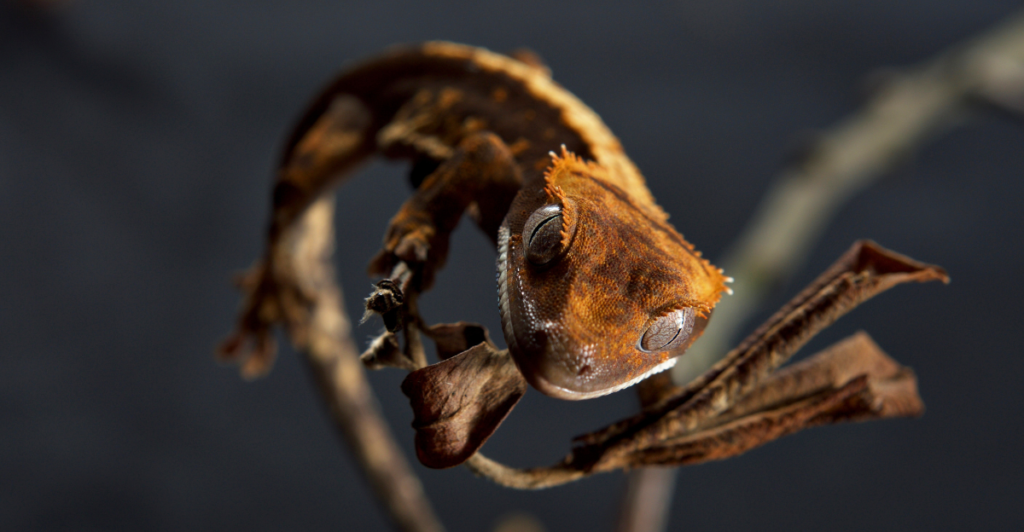
Dogs rely on their owners for companionship and attention; when left alone for some time, they can suffer from separation anxiety. Reptiles don’t need companionship in the same way, as long as their habitat, heat, and food are right. So, if you have a busier schedule than most, reptiles make great pets.
No Annoying Habits
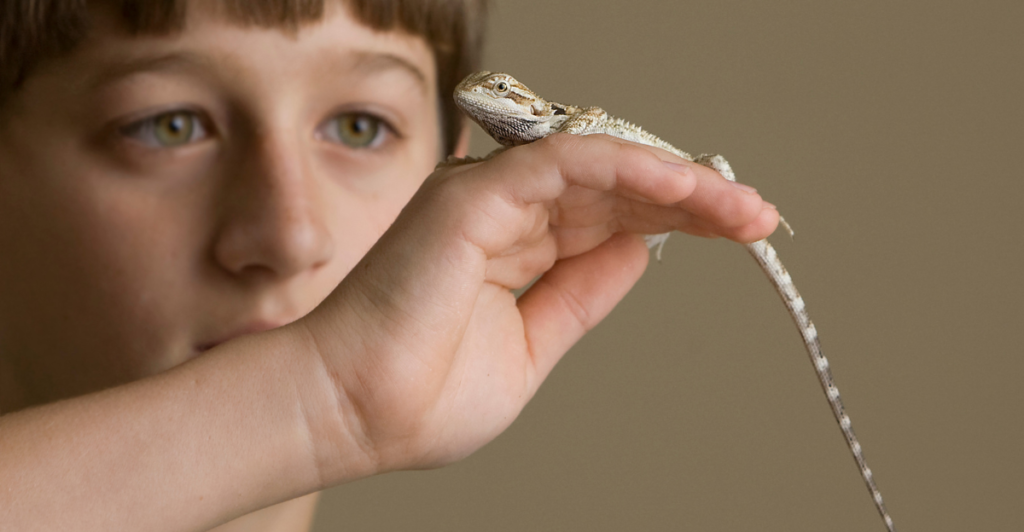
Dogs have big personalities, and with that can come a few bad habits that might not always be loved. Excessive barking, digging holes, or chewing your shoes can be destructive and sometimes even annoying. Reptiles don’t have any bad habits that can affect your life, making them a lot easier to have around.
They Have Educational Value
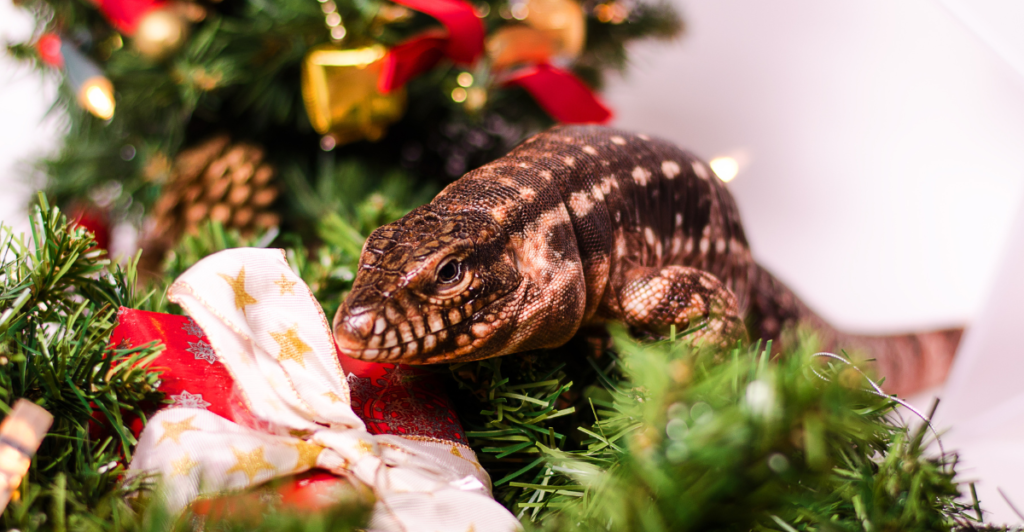
Reptiles have so much to teach about biology, ecosystems, and animal behavior that you might not find in a dog. They can be great for older children under adult supervision, though the CDC advises against keeping reptiles in homes with children under 5 because of the Salmonella risk.
Explore more of our trending stories and hit Follow to keep them coming to your feed!

Don’t miss out on more stories like this! Hit the Follow button at the top of this article to stay updated with the latest news. Share your thoughts in the comments—we’d love to hear from you!
2026 Update: What CDC and Vets Want Reptile Owners to Know
Reptiles can be rewarding pets, but they are a real commitment. Most species need carefully controlled heat, humidity and, for many lizards and turtles, UVB lighting. Many live for decades, and they need a veterinarian experienced with exotic animals. The upfront cost of a correct enclosure and equipment can be substantial.
The biggest health point is Salmonella. The CDC says reptiles and amphibians are more likely than other pets to carry germs that make people sick, even when the animals look perfectly healthy. Outbreaks keep happening. In 2022, for example, CDC linked 23 illnesses in 15 states to pet bearded dragons, and nearly half of those who fell ill were under one year old. For this reason, the CDC advises against keeping reptiles in homes with children under 5, adults 65 and older, or anyone with a weakened immune system.
Simple hygiene rules
Wash your hands with soap and water after touching your pet, its food or its habitat. Keep reptiles and their supplies out of the kitchen. Clean tanks outside the home where possible, pour tank water down a toilet rather than a sink, and don’t kiss or snuggle your reptile.